
Welcome to the world of Artificial Intelligence (AI), where machines mimic human intelligence. AI empowers computers to learn, reason, and adapt, transforming industries and daily life. From virtual assistants to medical diagnostics, AI’s impact is profound.
Artificial Intelligence (AI) has rapidly transformed from a futuristic concept to an integral part of our daily lives. In this blog post, we will dive deep into the world of AI, exploring its:
definition
applications
benefits
challenges
its promising future
Defining Artificial Intelligence
At its core, Artificial Intelligence refers to the ability of machines to simulate human-like intelligence and behavior. This involves tasks such as learning from data, reasoning, problem-solving, and adapting to new situations. AI encompasses various subfields, including Machine Learning (ML), Natural Language Processing (NLP), Computer Vision, and Robotics.
Applications of AI
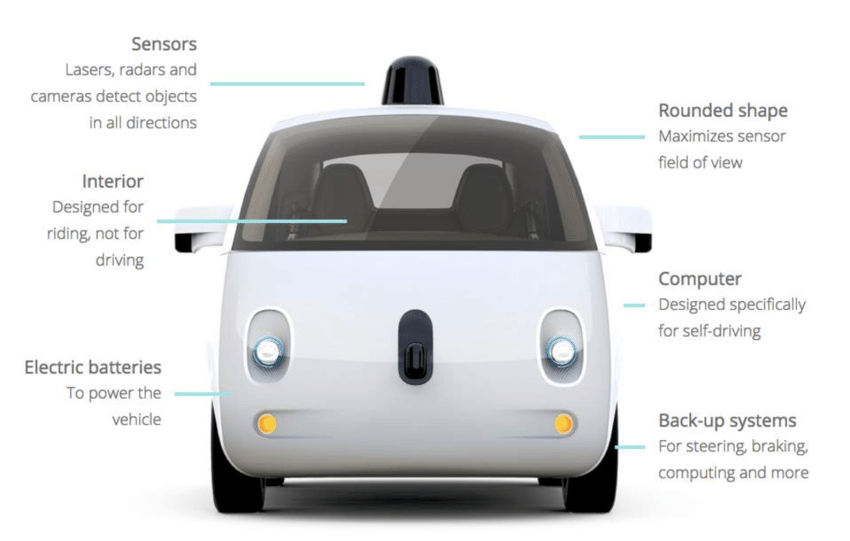
AI is pervasive across various industries, contributing to significant advancements. In healthcare, AI aids in disease diagnosis and drug discovery. In finance, it powers algorithmic trading and fraud detection. Chatbots and virtual assistants like Siri and Alexa are products of AI. Autonomous vehicles, recommendation systems, and personalized marketing are also driven by AI technologies.
Benefits of AI
The adoption of AI brings forth several advantages. Efficiency improvements are evident in tasks such as data analysis, where AI algorithms process vast datasets in minutes. AI systems can also work tirelessly, reducing the need for manual labor in repetitive tasks. In medical imaging, AI assists doctors in detecting anomalies faster and more accurately.
Challenges and Concerns
While the potential of AI is vast, there are challenges and concerns to address. Ethical issues related to AI bias and privacy are critical. Ensuring that AI systems are trained on diverse datasets and transparent decision-making processes are crucial steps. The fear of job displacement due to automation also raises concerns, emphasizing the need for reskilling and upskilling.
AI and Data Privacy: Navigating Risks and Safeguarding Our Information.
Artificial Intelligence (AI) has ushered in a new era of technological advancement, but it also raises concerns about data privacy. As AI systems collect, analyze, and utilize massive amounts of personal data, the risks to our privacy become more pronounced. This article delves into the potential risks posed by AI to our data privacy and explores practical steps individuals and organizations can take to protect themselves.
Risks of AI to Data Privacy:

- Data Breaches and Hacks: The vast amount of data processed by AI systems creates lucrative targets for cyberattacks. A breach could expose sensitive personal information, leading to identity theft and fraud.
- Biased Decision-Making: AI algorithms trained on biased datasets may perpetuate or exacerbate societal biases, potentially affecting decisions in areas like lending, hiring, and law enforcement.
- Surveillance and Tracking: AI-powered surveillance tools can track our digital footprints, infringing on personal space and eroding anonymity.
Protecting Ourselves:
- Data Minimization: Collect and store only essential data. Limiting the information AI systems process can help mitigate risks if a breach occurs.
- Encryption: Encrypting data before storing or transmitting it ensures that even if unauthorized access occurs, the information remains unreadable.
- Transparency and Explainability: Demand transparency from companies using AI. Understand how your data is being used and the decisions AI systems make based on it.
- Consent and Control: Be cautious while granting data access. Opt for services that allow you to control and revoke permissions.
- Regular Audits: Organizations should conduct frequent audits of AI systems to identify vulnerabilities and ensure compliance with data protection regulations.
- Bias Mitigation: Developers must address biases in AI models and datasets to prevent discriminatory outcomes.
- Legal Protections: Advocate for stronger data protection laws and regulations that hold companies accountable for mishandling personal information. As AI continues to evolve, maintaining a balance between technological progress and data privacy is essential. By staying informed, advocating for responsible AI development, and adopting protective measures, we can navigate the AI landscape while safeguarding our most valuable asset: our personal data.
The Future of AI:

The future of AI holds immense promise. As technology advances, AI systems are likely to become even more sophisticated, capable of performing complex tasks that were once considered exclusive to human intelligence. AI could revolutionize fields like education, entertainment, and scientific research. However, ethical considerations and responsible AI development will remain paramount.
Conclusion:
Artificial Intelligence has evolved from a theoretical concept into a practical reality that shapes our world in profound ways. Its applications span industries and domains, offering benefits that enhance efficiency and decision-making. While challenges like bias and job displacement exist, they prompt us to develop AI responsibly. As we venture into the future, AI’s potential for innovation and positive impact remains boundless. Stay informed, engage in discussions, and embrace the transformative power of Artificial Intelligence.
 MyChygozie.Tech
Leave a comment